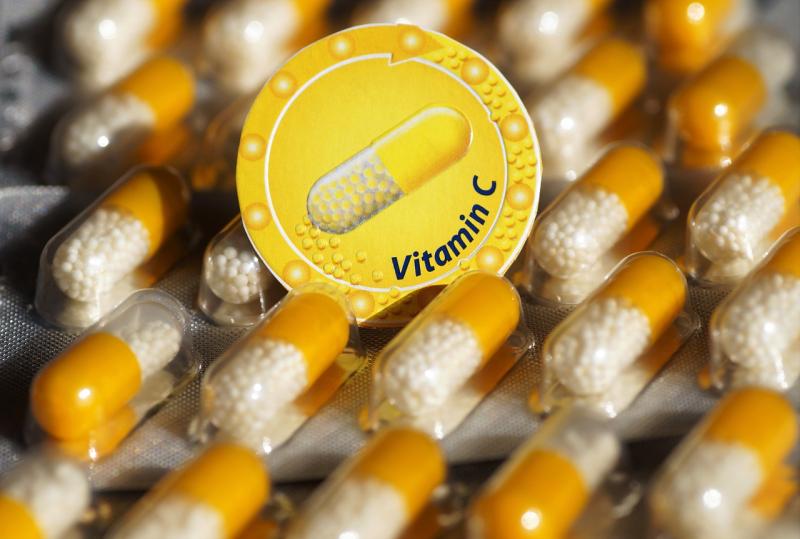
Vitamin C is probably the most well-known immune booster. It helps to stimulate the production of white blood cells, which are key to fighting off infections. You can get your Vitamin C fix from citrus fruits like oranges and lemons, or even go for a supplement if you want an extra boost.
Vitamin D is another powerhouse when it comes to immunity. It helps regulate the immune system and keeps it functioning well. Spending some time in the sun is a natural way to soak up Vitamin D, but if it’s winter or you don't get enough sun exposure, a supplement can be a great choice.
Zinc isn’t a vitamin, but it’s super important and often overlooked. It plays a vital role in immune function and can shorten the duration of colds. Foods like meat, shellfish, legumes, and seeds are great sources of zinc, or you can find it in easy-to-take supplements.
Don’t forget about Vitamin E. This vitamin acts as an antioxidant, helping to fight off free radicals that can harm your immune system. Nuts, seeds, and green leafy veggies are excellent sources. If you’re looking for an easy way to include Vitamin E in your routine, consider a supplement that combines it with other immune-supporting vitamins.
Essential Vitamins for Energy Boost
If you ever feel like you’re running on empty, certain vitamins can give you that much-needed energy boost. Let’s dive into some essentials that can help you power through your day.
Vitamin B12 is a superstar when it comes to energy. It plays a crucial role in converting food into energy. If you're feeling sluggish, it might be time to check your B12 levels, especially if you're vegan or vegetarian, as it’s mainly found in animal products.
Vitamin D isn’t just for strong bones; it also helps with energy levels. Low levels can lead to fatigue. Soak up some sun or consider a supplement if you don't get enough daylight—a little boost can make a difference!
Iron is often overlooked but vital for energy production. It helps carry oxygen in your blood, supporting your body’s energy needs. Women, in particular, can experience low iron levels, so it’s something to keep an eye on if you feel tired often.
Lastly, don’t forget about Vitamin C. It supports your immune system and can help combat fatigue. Plus, it aids in the absorption of iron, making it a perfect partner in your quest for more energy.
Vitamins That Promote Healthy Skin
If you want that glowing, youthful skin, certain vitamins are like your best buddies. They work together to keep your skin looking fresh and vibrant. Let’s dive into a few key vitamins that can help you out.
Vitamin A is a powerhouse when it comes to skin health. It helps with cell turnover, which means your skin can shed old cells and make room for new ones. This can reduce the appearance of fine lines and wrinkles. Plus, it’s great for keeping your skin hydrated. You can find vitamin A in foods like carrots, sweet potatoes, and spinach.
Vitamin C is another must-have for your skincare routine. Not only does it brighten your complexion, but it also helps your skin produce collagen. That’s the stuff that keeps your skin firm and elastic. Oranges, strawberries, and bell peppers are rich in vitamin C, so snack on those to give your skin a boost.
Don't forget about Vitamin E. This vitamin is known for its antioxidant properties, which means it fights off free radicals that can cause skin damage. It helps in keeping your skin moisturized, reducing dryness and flakiness. Nuts, seeds, and leafy greens are great sources of vitamin E. Incorporating these into your meals can keep your skin looking smooth and healthy.
Lastly, B vitamins—like B3 and B5—are essential for healthy skin too. They help improve the skin’s barrier function and keep it hydrated. You can find B vitamins in whole grains, meat, and eggs. They play a vital role in promoting overall skin health, making sure your skin stays balanced and vibrant.
Key Vitamins for Strong Bones
Strong bones are super important for your overall health, and certain vitamins play a key role in keeping them healthy and strong. Here are the top vitamins you should consider adding to your routine.
Vitamin D is a biggie when it comes to bone health. It helps your body absorb calcium, which is essential for bone strength. You can get vitamin D from sunlight, but if you don’t spend enough time outdoors, a supplement can help fill the gap. Look for options that include vitamin D3, as it’s the most effective type.
Vitamin K also deserves a shoutout. This vitamin helps with bone mineralization, meaning it supports the building of strong bone structures. Foods like leafy greens, broccoli, and certain cheeses are packed with vitamin K. If you’re not a fan of these foods, supplements are an easy way to get what you need.
Don't forget about Vitamin C. This vitamin is famous for its immune-boosting properties, but it also helps in collagen production, which is essential for bone health. You can find vitamin C in citrus fruits, berries, and peppers, making it pretty easy to include in your diet.
Lastly, calcium often gets lumped in with vitamins. It’s a mineral, but it’s crucial for strong bones. Dairy products, almonds, and fortified plant milks are great sources. Make sure you're getting enough calcium in your diet to keep your bones in tip-top shape.